Tesla is expanding its presence in the British energy sector after receiving permission to supply electricity directly to homes and businesses across Great Britain.
Approval from the UK energy regulator Ofgem allows the company to sell electricity to customers in England, Scotland and Wales.
The move reflects a broader push by Elon Musk’s company to integrate electricity supply with its battery technology and electric vehicles.
It also comes as Tesla faces rising competition in the European electric car market and weaker sales in the UK.
Ofgem licence opens power supply route
Ofgem has granted Tesla an electricity supply licence, allowing the company to provide power to domestic households and commercial premises across Great Britain.
The authorisation allows Tesla to operate as an electricity supplier alongside existing energy companies.
However, the licence does not permit the company to offer dual fuel contracts combining electricity and gas.
Customers choosing Tesla for electricity would still need a separate gas tariff with another supplier.
Texas model expected in Britain
Tesla is expected to replicate the electricity supply model it operates in Texas, where the company runs a retail electricity service known as Tesla Electric.
The service aims to supply lower cost electricity while integrating Tesla vehicles, batteries and renewable energy.
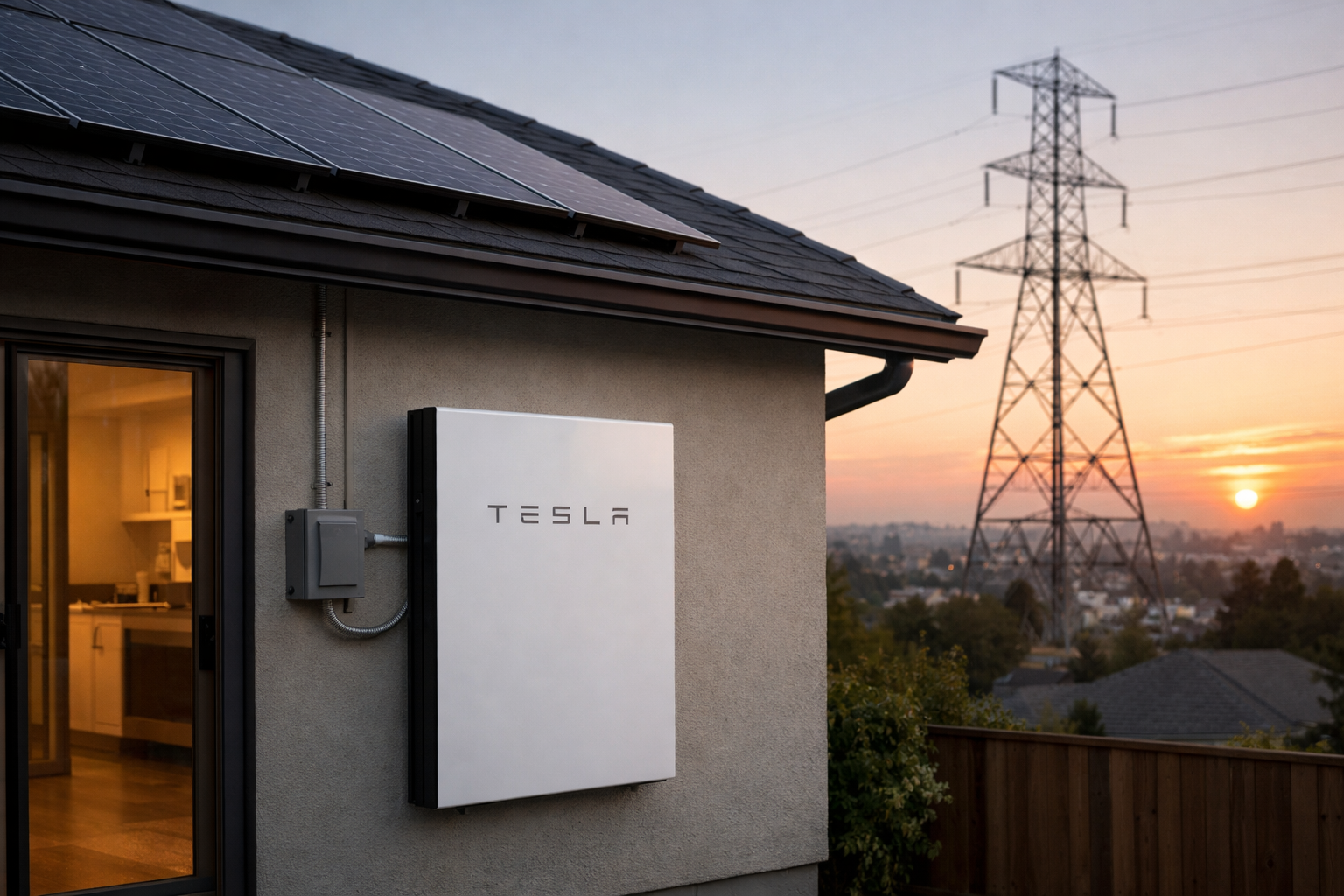
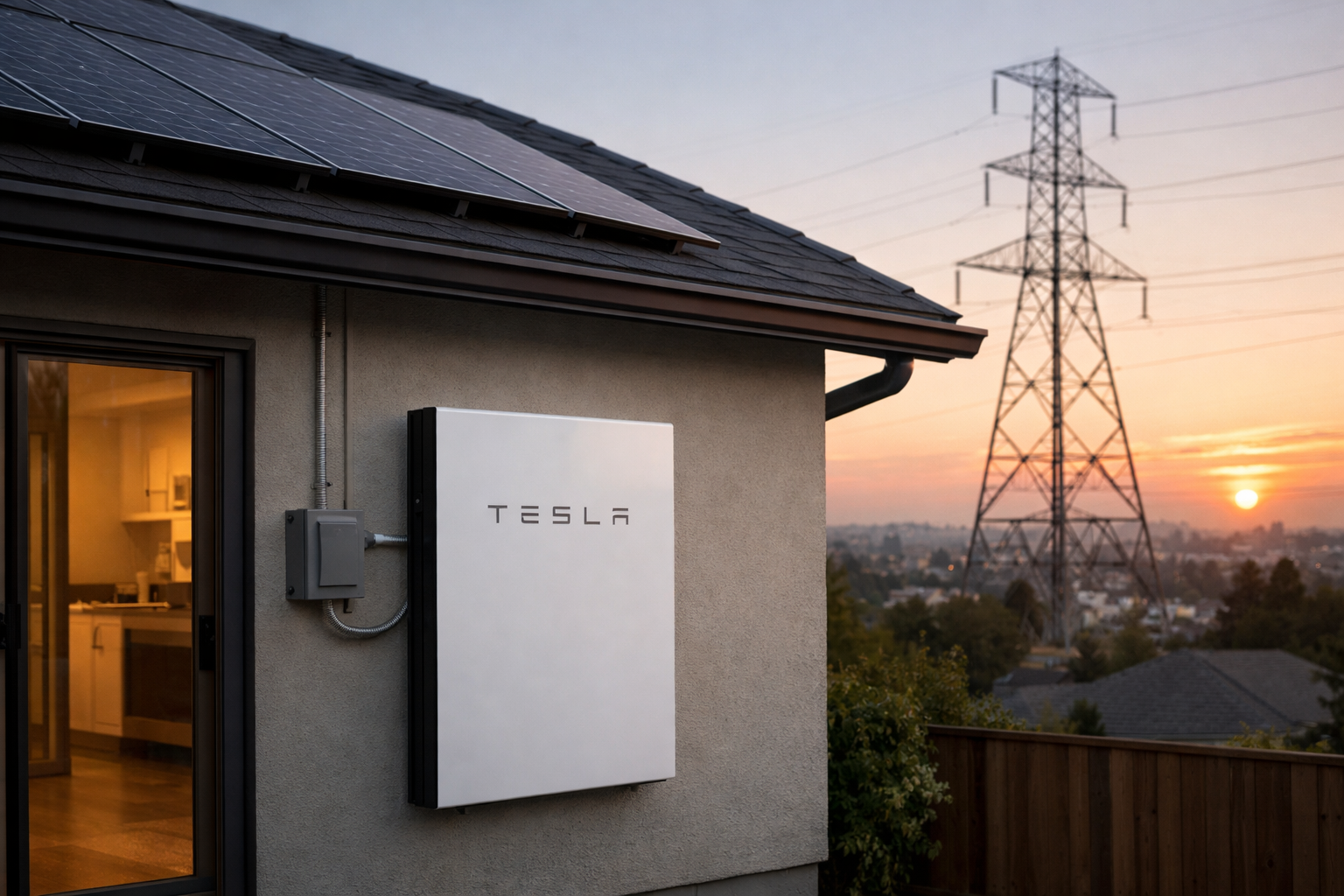
A key part of the system is a virtual power plant network connecting households equipped with Tesla Powerwall batteries to the electricity grid.
Powerwall batteries and grid participation
Through the virtual power plant model, Tesla customers can charge their electric vehicles when electricity prices are low and sell stored energy back to the grid using home batteries.
In Britain, a similar system already exists for Powerwall users through another supplier.
Octopus Energy runs a virtual power plant programme allowing Powerwall owners to export stored electricity to the grid during periods of higher demand.
Tesla has not disclosed how many Powerwall batteries have been installed in Britain.
However, the company has sold more than 250,000 electric vehicles in the UK, creating a base of customers who could potentially use Tesla energy services linked to home charging and storage.
Sales pressure and political controversy
Tesla’s move into electricity supply comes as the company faces falling vehicle sales in the UK and across mainland Europe.
According to the Society of Motor Manufacturers and Traders, Tesla sold 2,422 vehicles in the UK in February compared with 3,852 during the same month last year, a decline of 37%.
The organisation estimates that Tesla accounted for about 1.34% of the UK car market so far this year, trailing BYD at 2.64% and BMW at 5.43%.
Sales have also been influenced by reactions to the political activity of Tesla’s chief executive, Elon Musk.
The billionaire backed Donald Trump and later worked in the administration through the Department of Government Efficiency before leaving in May following a dispute over a tax and spending bill.
Tesla has also faced criticism from some customers over Musk’s political interventions, including his support for Germany’s far-right Alternative for Germany (AfD) and accusations directed at senior politicians in the UK.
The post Tesla enters UK electricity market with Ofgem power supply approval appeared first on Invezz
