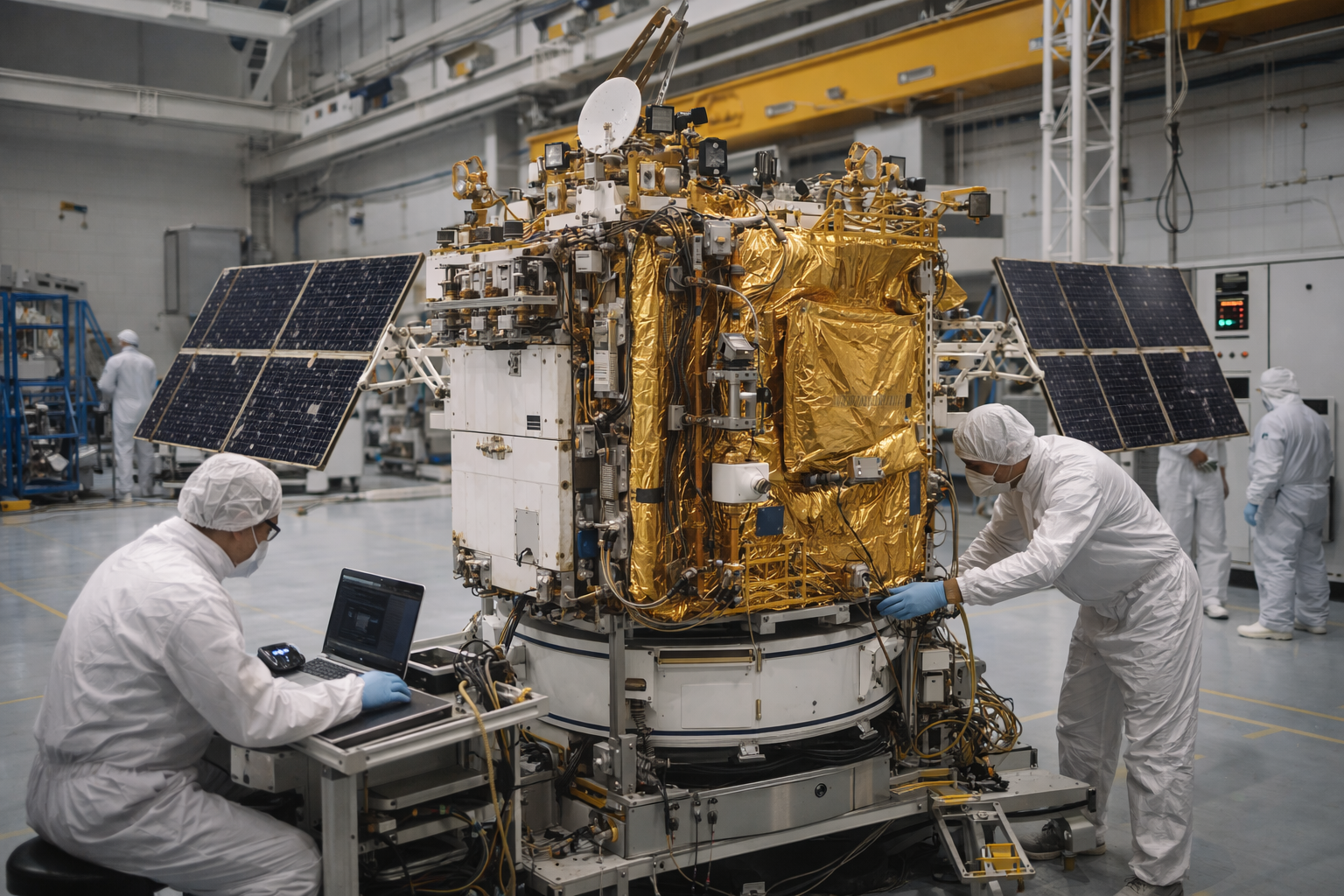
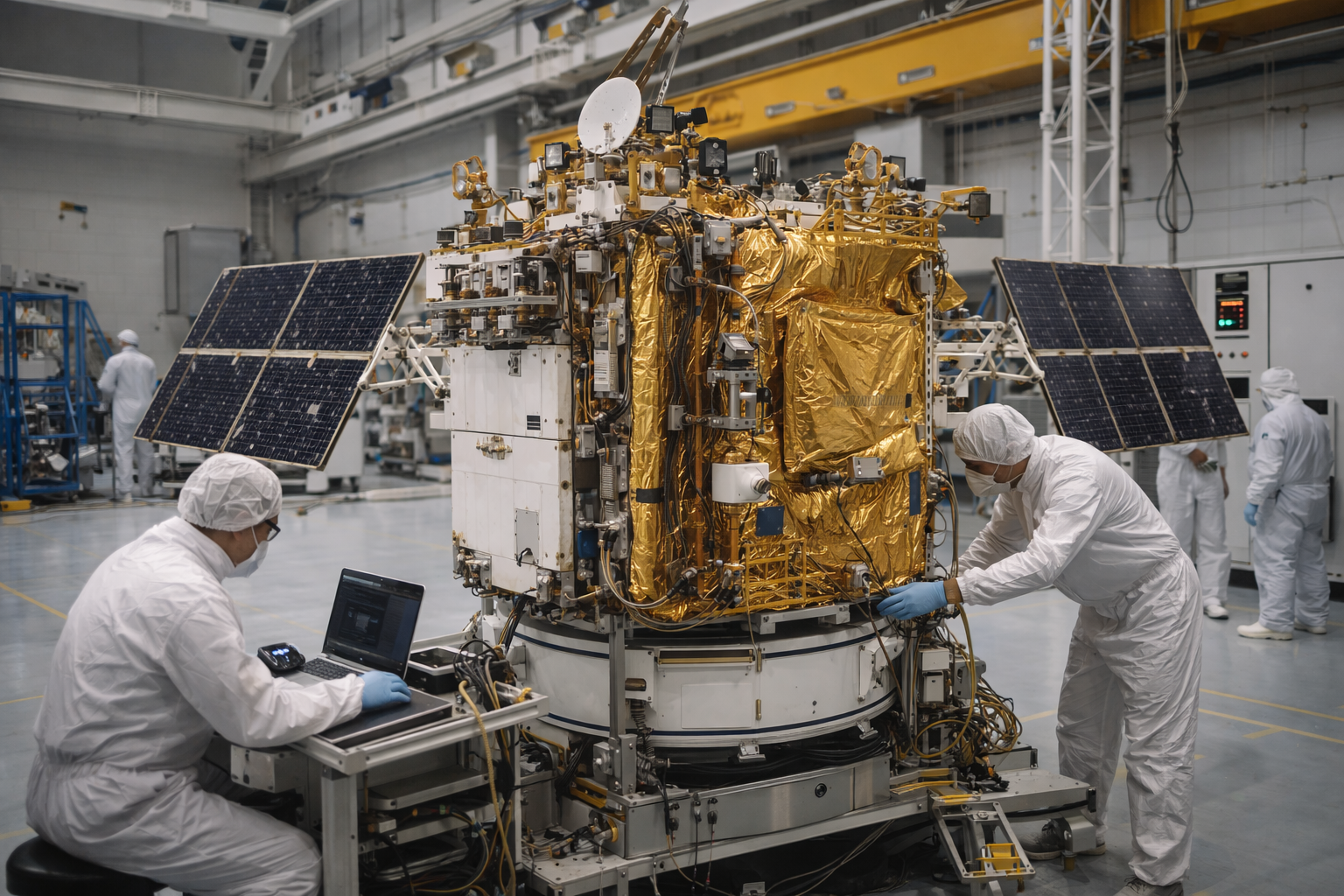
Shares of Globalstar rallied strongly on April 2, 2026, climbing nearly 14% to $78.10 in premarket trading.
The satellite communications company, known for providing global voice and data services and supporting IoT and enterprise connectivity, is reportedly in acquisition talks with Amazon.com.
According to a report by Financial Times, discussions between the two companies are ongoing, though no agreement has been finalized.
People familiar with the matter indicated that negotiations have been prolonged due to structural complexities, including the involvement of Apple, which holds a 20% stake in Globalstar.
Investors are responding enthusiastically to the potential deal, which could significantly impact Globalstar’s valuation and strategic position in the growing satellite communications industry.
Amazon’s satellite ambitions gain momentum
An acquisition of Globalstar would significantly accelerate Amazon’s efforts to expand its LEO satellite network, a strategic initiative aimed at competing with SpaceX and its dominant Starlink internet service.
Amazon has been steadily building its own satellite constellation under its “Leo” project.
The company has already launched more than 180 satellites, though this remains far behind SpaceX’s network of over 10,000 active satellites.
Regulatory filings show that Amazon is targeting around 700 satellites in orbit by mid-year, but progress has been constrained by limited launch capacity.
The company has also sought a two-year extension from the Federal Communications Commission for a key deployment deadline tied to launching 1,600 satellites.
Despite these challenges, Amazon is pressing ahead, positioning satellite connectivity as a long-term growth driver alongside its cloud and e-commerce businesses.
Chief executive Andy Jassy has described the initiative as part of a broader set of “incremental opportunities” for the company.
Amazon has already secured agreements with airlines JetBlue and Delta to provide in-flight internet services starting in 2027 and 2028, underscoring the commercial potential of its satellite network.
Globalstar’s performance and investor interest
Founded in 1991, Globalstar has seen its stock surge in recent months amid takeover speculation.
The company’s market capitalization reached approximately $9 billion, with shares rising about 230% over the past year as investors increasingly view it as a potential challenger in the satellite communications space.
Financially, the company reported full-year revenue of $273 million, representing a 9% increase from 2024. Operating income came in at $7.4 million in 2025, marking an improvement from a narrow loss in the previous year.
Analysts point to renewed optimism fueled by strategic partnership possibilities, with Amazon potentially leveraging Globalstar’s satellite infrastructure for cloud, AI, and communications initiatives.
This speculation has placed Globalstar at the forefront of investor focus in the satellite communications sector.
Stocks stumble in premarket
Stock futures were tumbling Thursday after President Donald Trump’s address failed to clarify when the Iran conflict might end, affecting overall market sentiment.
In pre-market trading, Tesla fell 2.1% ahead of its Q1 delivery report, expected at about 366,000 vehicles.
Meanwhile, rival Iridium Communications gained 4.4%.
Amazon shares dipped 1.8%, and Apple fell 0.83%.
Oil stocks rose after Trump’s address dampened hopes for a swift resolution, with Chevron up 2.4% and Exxon Mobil climbing 3.2%.
APA, ConocoPhillips, Devon Energy, and Occidental Petroleum each posted gains of 3–4%.
Penguin Solutions advanced 9.3% after reporting better-than-expected Q2 earnings and raising FY26 profit guidance.
Acuity and Lindsay Corp. are scheduled to report earnings later Thursday, adding further market activity.
The post Will Globalstar hit new highs following Amazon acquisition speculation? appeared first on Invezz
